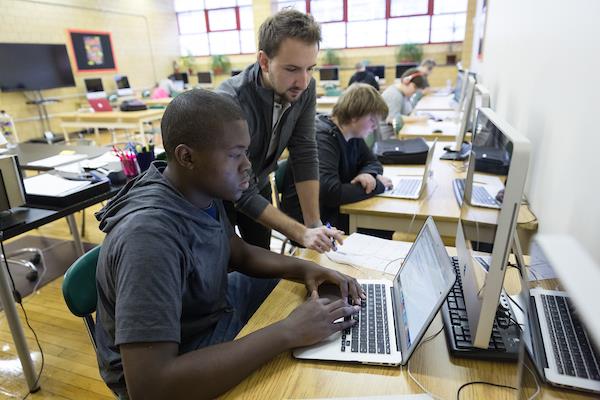
Academic Reflection as a Tool for Progress Tracking

Academic reflection is one of the most practical yet underused strategies for improving learning outcomes. It helps students recognize what they understand, identify where they struggle, and develop better study habits over time. Rather than relying only on grades or feedback from instructors, reflective practice allows learners to become active participants in monitoring their own academic growth.
When students intentionally reflect on their experiences, they create a clear record of progress, challenges, strategies, and improvements. This process strengthens self-awareness, encourages accountability, and supports long-term academic success.
Understanding Academic Reflection
Academic reflection is a structured process in which students examine their learning experiences, analyze their performance, and identify ways to improve future outcomes. It involves thinking critically about what happened during learning activities and why those experiences mattered.
Reflection goes beyond simply reviewing notes or checking grades. Instead, it encourages learners to ask questions such as:
- What did I learn from this activity?
- What strategies worked effectively?
- What challenges did I face?
- How can I improve next time?
By answering these questions consistently, students develop deeper insight into their learning patterns and academic strengths.
Why Progress Tracking Matters in Education
Tracking progress is essential because learning rarely happens in a straight line. Students often experience periods of improvement, confusion, adjustment, and growth. Reflection helps capture these changes in a meaningful way.
Progress tracking through reflection supports:
- Better goal setting
- Stronger motivation
- Improved study strategies
- Increased confidence
- Higher academic performance
Without reflection, students may repeat ineffective habits or overlook valuable learning opportunities.
The Role of Reflection in Self-Awareness
Self-awareness is a key factor in academic success. Students who understand how they learn are more likely to adjust their strategies effectively.
Reflection encourages learners to:
- Recognize strengths in specific subjects
- Identify weaknesses early
- Understand preferred learning styles
- Evaluate time management habits
- Monitor emotional responses to academic pressure
This awareness allows students to make informed decisions about how they approach their studies.
Types of Academic Reflection Used for Progress Tracking
Academic reflection can take many forms. Choosing the right approach depends on personal learning preferences and academic goals.
Reflective Journals
Reflective journals are one of the most effective tools for tracking academic progress. Students write regularly about what they learned and how they responded to challenges.
A reflective journal may include:
- Daily learning summaries
- Weekly performance evaluations
- Study strategy reviews
- Emotional responses to coursework
- Questions for future improvement
Over time, these entries become valuable records of academic development.
Self-Assessment Checklists
Self-assessment checklists help students evaluate whether they have completed learning objectives successfully.
Examples include:
- Understanding key concepts
- Completing assignments on time
- Participating in class discussions
- Preparing effectively for exams
- Reviewing feedback from instructors
These checklists promote accountability and consistency.
Goal Reflection Logs
Goal reflection logs help students monitor their academic targets and track progress toward them.
Students can record:
- Short-term goals
- Long-term academic ambitions
- Study milestones
- Improvements achieved
- Adjustments needed
This method keeps learners focused and motivated.
Peer Reflection Activities
Peer reflection involves discussing learning experiences with classmates. This process encourages new perspectives and deeper understanding.
Benefits include:
- Exposure to alternative strategies
- Clarification of difficult concepts
- Increased confidence through shared experiences
- Improved communication skills
Peer discussions often reveal insights that individual reflection may miss.
How Academic Reflection Supports Independent Learning
Independent learners take responsibility for their progress. Reflection strengthens this independence by encouraging students to evaluate their own performance instead of relying entirely on instructors.
Through reflection, students learn to:
- Plan study sessions effectively
- Monitor understanding regularly
- Adjust learning strategies when necessary
- Develop persistence during challenges
- Build confidence in decision making
These skills are essential for long-term academic growth.
Reflection as a Tool for Identifying Learning Gaps
Learning gaps are common and expected during academic development. Reflection helps students identify these gaps early before they become serious obstacles.
Students who reflect regularly can:
- Detect misunderstood concepts quickly
- Recognize patterns of repeated mistakes
- Evaluate ineffective study habits
- Seek help when needed
- Adjust strategies proactively
This early awareness prevents frustration and improves performance outcomes.
Strengthening Critical Thinking Through Reflection
Academic reflection naturally strengthens critical thinking skills. Instead of memorizing information passively, students analyze experiences and interpret results thoughtfully.
Reflection encourages learners to:
- Evaluate their assumptions
- Analyze academic outcomes
- Compare strategies used in different subjects
- Consider alternative approaches
- Connect theory with practice
These habits support deeper learning across disciplines.
Reflection and Motivation in Academic Progress
Motivation increases when students can see evidence of improvement. Reflection provides a clear record of progress over time, which helps learners remain engaged and confident.
Motivational benefits include:
- Recognition of personal achievements
- Increased commitment to academic goals
- Reduced anxiety about performance
- Greater persistence during challenges
- Stronger sense of ownership over learning
Seeing progress documented in writing often reinforces confidence more effectively than grades alone.
Using Reflection to Improve Study Strategies
Many students struggle not because they lack ability but because they rely on ineffective study methods. Reflection helps identify which strategies produce the best results.
Students can evaluate:
- Whether note-taking methods are effective
- How well they manage study time
- Which environments support concentration
- Whether review techniques improve retention
- How preparation influences test performance
Adjusting strategies based on reflection leads to more efficient learning.
Digital Tools That Support Academic Reflection
Technology has made reflection more accessible and flexible than ever before. Digital tools allow students to track progress consistently and organize their learning experiences effectively.
Popular reflection tools include:
- Online journals
- Learning management system reflections
- Academic planning apps
- Voice recording reflections
- Digital goal trackers
These tools make it easier to review progress across semesters and courses.
The Connection Between Reflection and Academic Confidence
Confidence grows when students understand their progress clearly. Reflection helps learners recognize improvements that might otherwise go unnoticed.
Confidence increases when students:
- See improvement in writing skills
- Notice stronger participation in discussions
- Track better time management habits
- Observe consistent assignment completion
- Recognize successful problem-solving strategies
This awareness encourages continued academic engagement.
Strategies for Making Reflection a Regular Habit
Reflection is most effective when practiced consistently rather than occasionally. Students can build reflection into their routine using simple strategies.
Effective habits include:
- Writing weekly learning summaries
- Reviewing instructor feedback carefully
- Setting reflection reminders
- Tracking assignment performance
- Evaluating study sessions after completion
Consistency transforms reflection into a powerful progress-tracking system.
Challenges Students Face When Practicing Academic Reflection
Although reflection is valuable, some students initially find it difficult to adopt. Common challenges include uncertainty about what to write or how to evaluate progress effectively.
Typical obstacles include:
- Lack of time for reflection
- Difficulty identifying learning strengths
- Limited experience with self-evaluation
- Fear of recognizing weaknesses
- Inconsistent reflection habits
With practice, these challenges become easier to manage.
How Teachers Can Encourage Reflective Learning
Educators play an important role in supporting reflection. When teachers integrate reflection activities into coursework, students are more likely to engage in meaningful progress tracking.
Teachers can support reflection by:
- Assigning reflection journals
- Encouraging goal-setting exercises
- Providing structured reflection prompts
- Offering feedback on reflection quality
- Promoting peer discussion opportunities
These practices help students develop long-term reflective habits.
Long-Term Benefits of Academic Reflection
Academic reflection supports success beyond the classroom. Students who practice reflection regularly develop skills that remain valuable throughout their academic and professional lives.
Long-term advantages include:
- Stronger problem-solving abilities
- Improved decision-making skills
- Greater adaptability
- Enhanced self-discipline
- Lifelong learning habits
These outcomes make reflection an essential tool for continuous improvement.
Conclusion
Academic reflection is a powerful strategy for tracking progress and improving learning outcomes. By encouraging students to evaluate experiences, monitor strengths and weaknesses, and adjust study strategies, reflection creates a clear pathway toward academic success. When practiced consistently, it strengthens motivation, builds confidence, and supports independent learning. Over time, reflection transforms students into active participants in their own educational development.
Frequently Asked Questions
1. How often should students practice academic reflection?
Students benefit most from reflecting at least once per week. Regular reflection helps track progress consistently and prevents learning gaps from going unnoticed.
2. Can academic reflection improve exam performance?
Yes. Reflection helps students identify ineffective study habits and adjust preparation strategies, which often leads to stronger exam results.
3. Is academic reflection useful for all subjects?
Reflection is effective across all disciplines because it focuses on learning strategies rather than subject-specific content.
4. What is the difference between reflection and self-assessment?
Reflection involves analyzing learning experiences and strategies, while self-assessment focuses more directly on evaluating performance against specific criteria.
5. Can digital reflection replace traditional handwritten journals?
Digital reflection tools can be just as effective as handwritten journals. The best method depends on the student’s preferences and consistency.
6. How long should a reflection entry be?
Reflection entries do not need to be lengthy. Even short entries that evaluate learning experiences honestly can be highly effective.
7. What makes academic reflection meaningful rather than routine?
Reflection becomes meaningful when students analyze their experiences deeply, identify specific improvements, and apply lessons learned to future learning situations.