
What Often Sets a Leading School Apart

Families looking for a top international school in Bangkok are usually comparing far more than buildings, prospectuses or headline results. They are trying to understand which school offers the strongest overall environment for long-term learning, personal development and day-to-day confidence. That decision often comes down to the quality of the whole experience rather than any one feature on its own.
Academic Standards Need to Be Clear and Consistent
One of the first things parents tend to look for is academic strength, but that does not simply mean a school should appear ambitious. It should show clear expectations, thoughtful teaching and a curriculum that builds knowledge in a structured way over time.
Consistency matters a great deal here. Families usually want confidence that standards are not limited to a few standout classes or individual teachers. A strong school culture makes academic expectations visible across the board, so that pupils are challenged appropriately and supported properly as they move through different stages.
This creates something more valuable than short-term performance. It helps children develop habits of focus, curiosity and resilience, which are often the qualities that carry them through later years of education. A school that takes learning seriously in a well-organised way tends to stand out for the right reasons.
School Culture Shapes the Daily Experience
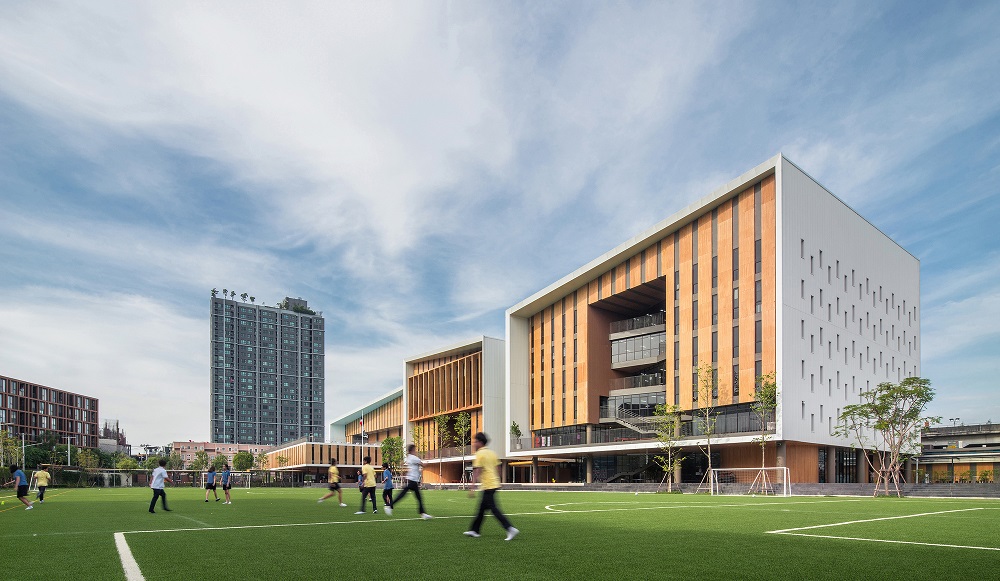
Even the strongest academic offer can fall short if the wider school environment does not feel supportive, calm and purposeful. For many families, school culture is one of the most important parts of the decision because it affects how children experience each day, not just how they perform on paper.
A positive culture is often visible in subtle ways. It can be seen in how staff speak to pupils, how children interact with one another and how the school handles both achievement and difficulty. Parents are often looking for a setting that feels respectful and well run, where children are known as individuals and encouraged to take their learning seriously without feeling lost in the system.
This is especially relevant in an international setting. Many pupils are balancing more than academics alone. They may be adapting to a new country, a different school system or a more globally mixed environment. A school with a strong culture helps make that experience feel stable and welcoming.
Parents Often Value Breadth as Much as Performance
A leading school is rarely defined by exam preparation alone. Families often want children to have access to a broad education that supports intellectual growth, character development and wider confidence. That means looking at the full picture rather than focusing solely on results.
Breadth can take many forms. It may include opportunities to explore different subjects in depth, develop communication skills, build independence or take part in activities that support teamwork and self-discipline. These experiences often shape how students see themselves, not just how they perform academically.
For parents, this matters because school is not only about reaching the next milestone. It is also about helping children become capable, rounded young people who can handle future study and life beyond the classroom with a greater sense of confidence.
The Right Fit Usually Matters More Than Reputation Alone
Reputation naturally influences decision-making, but families often benefit from looking beyond labels and asking more practical questions. How does the school teach? What sort of expectations does it set? Does the environment suit the child’s temperament, strengths and stage of development?
A school may be highly regarded overall, but the better question is whether it offers the right fit for the individual child. Some pupils thrive in a highly structured and academically demanding environment. Others may need a little more time, encouragement or pastoral support alongside that challenge. The strongest choice is usually the one where the child is likely to feel both stretched and supported.
That is often what makes a school truly stand out. It is not just that it offers high standards, but that it does so in a way that helps students engage fully with the opportunities in front of them.
A top international school is usually defined by the combination of strong academics, clear values, thoughtful support and a culture that helps children grow with confidence. When those elements come together well, the school experience can provide lasting value far beyond the classroom itself.