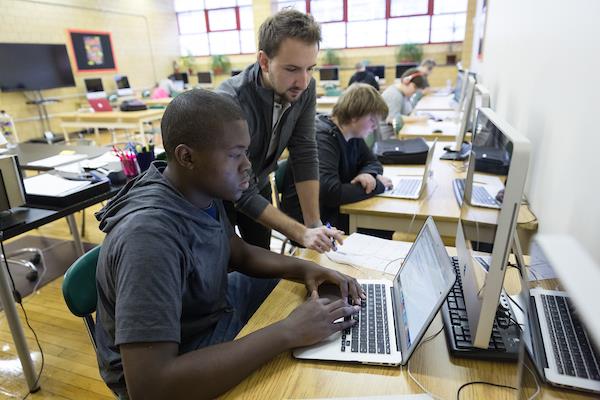
School Innovation Labs Supporting Student Creativity

School innovation labs are transforming how students experience learning. These flexible environments allow learners to explore ideas, test solutions, and develop original thinking through hands-on experimentation. Instead of relying only on traditional instruction methods, innovation labs encourage students to investigate problems, collaborate with peers, and create meaningful outcomes.
Creativity is not simply an artistic skill. It is a practical ability that strengthens problem-solving, adaptability, and confidence. When schools establish innovation labs with thoughtful structure and purpose, they create opportunities for students to think independently and apply knowledge across subjects.
Innovation labs support both academic growth and long-term readiness by helping students develop skills that remain valuable far beyond the classroom.
What Is a School Innovation Lab
A school innovation lab is a learning environment designed to support experimentation, collaboration, and creative exploration. These labs often combine tools, flexible furniture, and interdisciplinary project opportunities to encourage student-driven learning.
Unlike traditional classrooms that focus primarily on instruction delivery, innovation labs emphasize:
- idea generation
- problem solving
- collaboration
- experimentation
- reflection
- revision
Students are encouraged to test concepts rather than simply memorize information. This approach strengthens engagement and builds confidence in independent thinking.
Innovation labs may include technology tools, creative materials, engineering resources, or design-based learning stations depending on school priorities and student needs.
Why Creativity Matters in Modern Education
Creativity plays a critical role in student development. It supports flexible thinking and helps learners adapt to changing academic expectations and future career environments.
Creative learning environments help students:
- approach problems from multiple perspectives
- communicate ideas clearly
- develop persistence through trial and revision
- connect knowledge across subjects
- explore original solutions
These abilities support both academic success and personal growth. Schools that encourage creativity prepare students to become active contributors rather than passive learners.
Innovation labs provide a structured environment where these skills can develop consistently.
Core Features of Effective School Innovation Labs
Innovation labs vary in design, but the most effective ones share several common characteristics that support meaningful student creativity.
Flexible Learning Spaces
Flexible layouts allow students to move between activities easily. Adjustable seating, collaborative tables, and open work areas support group interaction and independent work.
Flexible environments help students choose how they engage with tasks. This autonomy increases motivation and improves participation.
Access to Hands-On Tools
Innovation labs often include materials that allow students to build, design, and test ideas.
Examples include:
- robotics kits
- craft and construction materials
- digital design tools
- prototyping equipment
- coding platforms
Access to these tools helps students translate ideas into real outcomes.
Interdisciplinary Learning Opportunities
Innovation labs encourage students to connect subjects rather than treat them as isolated areas of study.
Projects may combine:
- science and engineering
- mathematics and design
- language arts and storytelling
- social studies and community research
This integration strengthens deeper understanding and promotes creative thinking.
Student Choice and Ownership
Students are more creative when they feel responsible for their learning direction. Innovation labs support choice by allowing learners to select project topics, research methods, and presentation formats.
Ownership increases commitment and encourages persistence through challenges.
How Innovation Labs Strengthen Problem-Solving Skills
Problem solving becomes more meaningful when students work with authentic challenges. Innovation labs create opportunities for learners to investigate real-world situations and test possible solutions.
Students may explore:
- environmental concerns
- community improvement ideas
- engineering challenges
- digital design problems
- social awareness projects
Working through these tasks helps students practice planning, testing, adjusting, and improving their solutions.
This process builds resilience and confidence in decision-making.
Supporting Collaboration Through Innovation Lab Design
Creativity rarely develops in isolation. Innovation labs encourage teamwork through shared projects and group exploration.
Collaborative learning environments help students:
- exchange ideas respectfully
- learn from different perspectives
- share responsibility for outcomes
- strengthen communication skills
- build trust within learning communities
These experiences prepare students for academic teamwork and professional collaboration later in life.
Well-structured collaboration also increases engagement and reduces hesitation about participating in complex tasks.
Encouraging Experimentation Without Fear of Failure
One of the most important benefits of innovation labs is the opportunity to experiment safely. Students become more creative when they understand that revision and adjustment are expected parts of learning.
Innovation labs support this mindset by encouraging:
- testing multiple solutions
- redesigning early prototypes
- reflecting on mistakes
- improving strategies over time
When students feel comfortable exploring unfamiliar ideas, they become more willing to take intellectual risks.
This confidence strengthens long-term learning habits.
The Role of Teachers in Innovation Lab Environments
Teachers play an essential role in guiding innovation lab experiences. Instead of acting only as instructors, they become facilitators who support exploration and structured inquiry.
Teachers in innovation labs often:
- guide research questions
- provide feedback during projects
- encourage reflection
- help students organize ideas
- connect projects to academic standards
This approach supports independence while maintaining academic direction.
Teacher guidance ensures creativity develops alongside meaningful learning goals.
Integrating Technology to Expand Creative Opportunities
Technology enhances innovation labs by giving students additional ways to express ideas and test solutions.
Examples of technology integration include:
- digital modeling software
- coding platforms
- multimedia storytelling tools
- interactive simulations
- virtual collaboration systems
These resources allow students to explore complex ideas in accessible ways.
Technology also supports students who prefer visual or interactive learning approaches.
When used thoughtfully, digital tools strengthen creativity rather than distract from learning goals.
Supporting Different Learning Styles Through Innovation Labs
Students learn in different ways. Innovation labs provide flexible learning opportunities that support a wide range of preferences and strengths.
Some students learn best through:
- building physical models
- visual planning tools
- group discussion
- written reflection
- digital design environments
Innovation labs allow students to move between these methods naturally.
This flexibility helps more learners remain engaged and confident.
Encouraging Student Leadership Through Creative Projects
Innovation labs create opportunities for students to take leadership roles within collaborative projects.
Leadership development may include:
- organizing project timelines
- guiding peer discussions
- presenting solutions to audiences
- mentoring younger students
- coordinating team responsibilities
These experiences strengthen communication skills and confidence.
Leadership opportunities also help students recognize their ability to contribute meaningfully to group success.
Designing Sustainable Innovation Lab Programs
Successful innovation labs require thoughtful planning to ensure long-term impact.
Schools can strengthen sustainability by:
- aligning projects with curriculum goals
- providing teacher training support
- updating materials regularly
- encouraging cross-grade collaboration
- gathering student feedback for improvement
Sustainable innovation labs become part of school culture rather than temporary initiatives.
Consistency ensures creativity remains an active part of everyday learning.
Measuring the Impact of Innovation Labs on Student Creativity
Creativity can be observed through student behavior and engagement patterns rather than test scores alone.
Indicators of successful innovation lab programs include:
- increased participation in project-based learning
- stronger collaboration among students
- improved confidence during presentations
- higher persistence during complex tasks
- greater willingness to explore original ideas
These outcomes demonstrate how innovation labs support both academic and personal development.
Schools that monitor these indicators can refine their programs to better support student creativity over time.
Preparing Students for Future Learning Environments
Innovation labs help students develop skills that remain valuable across educational levels and career paths.
These skills include:
- independent thinking
- adaptability
- communication
- research ability
- collaboration
- creative problem solving
Students who practice these abilities regularly become more prepared to succeed in changing learning environments.
Innovation labs provide structured opportunities to strengthen these skills consistently.
Frequently Asked Questions
What age groups benefit most from school innovation labs
Students at all grade levels benefit from innovation labs. Younger learners develop curiosity and exploration habits, while older students strengthen research, design, and collaboration skills.
Do innovation labs require advanced technology to be effective
Innovation labs can succeed with simple materials such as craft supplies and construction tools. Technology enhances learning but is not required for creativity to develop.
How often should students use innovation labs during the school year
Regular access produces stronger results. Weekly or biweekly innovation lab sessions help students maintain creative thinking habits.
Can innovation labs support academic achievement as well as creativity
Yes. Innovation labs strengthen problem solving and engagement, which often improves understanding across subjects such as science, mathematics, and language arts.
How can schools introduce innovation labs with limited budgets
Schools can begin with flexible classroom layouts, reusable materials, and teacher-designed project challenges before investing in advanced equipment.
What role do parents play in supporting innovation lab learning
Parents can encourage curiosity at home by discussing student projects, supporting experimentation, and recognizing creative effort rather than focusing only on grades.
How do innovation labs help students who struggle with traditional classroom instruction
Innovation labs provide alternative learning pathways through hands-on exploration and collaboration. These environments help students engage with concepts in ways that match their strengths and interests.