How Multi-Sensory Learning Helps Seniors Stay Mentally Active

Seniors thrive when learning engages more than sight or sound alone. Multi-sensory activities invite the eyes, ears, hands, nose, and taste buds to work together, building richer pathways that strengthen attention, recall, and problem-solving. Whether at home, in community centers, or in memory care facilities, seniors benefit from practical tasks that feel enjoyable rather than demanding.
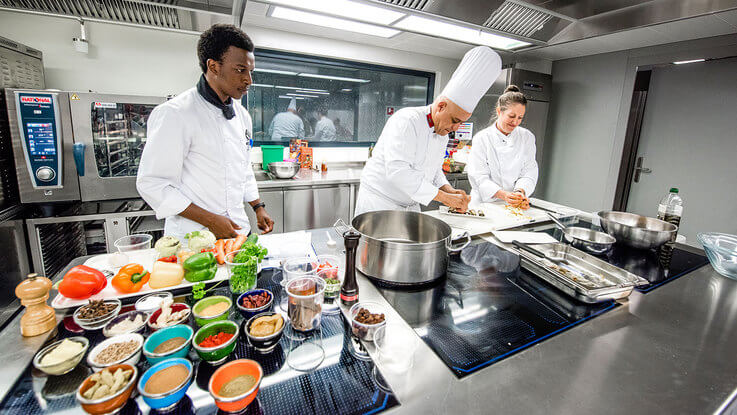
A simple recipe class that blends reading instructions, handling ingredients, and smelling spices can spark curiosity and confidence. By meeting the brain through multiple channels, seniors experience learning that feels natural, dignified, and genuinely motivating.
Mind-Body Links Through Touch and Movement
For seniors, the sense of touch turns abstract information into something concrete and memorable. Handling textured maps while discussing geography, shaping clay to model anatomy, or tapping rhythms to count syllables transforms passive listening into active participation. Gentle movement—such as chair yoga paired with vocabulary prompts—promotes circulation, balance, and neural activation that supports memory pathways.
When seniors manipulate tools, sort objects, or assemble step-by-step kits, procedural memory is recruited alongside attention and planning. This blend of tactile exploration and purposeful motion helps seniors encode information more deeply and recall it more reliably during daily tasks.
Sound, Speech, and Structured Listening
Auditory input helps seniors process patterns and pace information at a comfortable rhythm. Reading aloud, echoing key phrases, and pairing speech with steady metronome beats improve timing and articulation, which supports clearer communication. Nostalgic playlists linked to specific decades invite storytelling and personal associations, strengthening mood and long-term memory.
Clear audio with minimal background noise reduces cognitive load, while brief call-and-response drills sharpen focus without fatigue. Short, repeated listening intervals followed by reflection give seniors the structure needed to absorb content, practice language, and build confidence in conversation.
Sight, Images, and Environmental Cues
Visual supports reduce guesswork for seniors and make learning predictable and calm. Large-print guides, high-contrast labels, and simple infographics turn dense instructions into quick snapshots that can be scanned at a glance. Color-coded steps, picture schedules, and object baskets help seniors plan actions in order and find items promptly.
Nature photos, travel postcards, and familiar home scenes stimulate descriptive language and empathy through guided storytelling. Consistent visual cues across rooms and binders create a memory-friendly environment, helping seniors anticipate routines, track progress, and feel in control of learning moments throughout the day.
Taste, Smell, and Everyday Routines
Flavor and fragrance provide powerful anchors for seniors because the olfactory system connects closely to memory centers. Herbal tea tastings can pair sensory descriptions with new vocabulary, while spice blends evoke cultural memories that inspire conversation and laughter. Aromatherapy towels used before reading sessions calm nerves and improve focus.
Safe kitchen projects—assembling fruit cups, buttering toast shapes, or mixing no-bake snacks—link sequencing words to hands-on steps. By weaving scent and taste into simple routines, seniors connect learning to comfort, which keeps participation high and turns practice into a pleasant daily habit.
Conclusion
Multi-sensory learning respects how seniors naturally absorb information: through the whole body, not only the eyes and ears. By combining touch, sound, sight, taste, and smell in purposeful, low-stress activities, program leaders and families help seniors sharpen memory, language, and reasoning. Small, repeatable routines build confidence, preserve independence, and keep curiosity alive at every age.